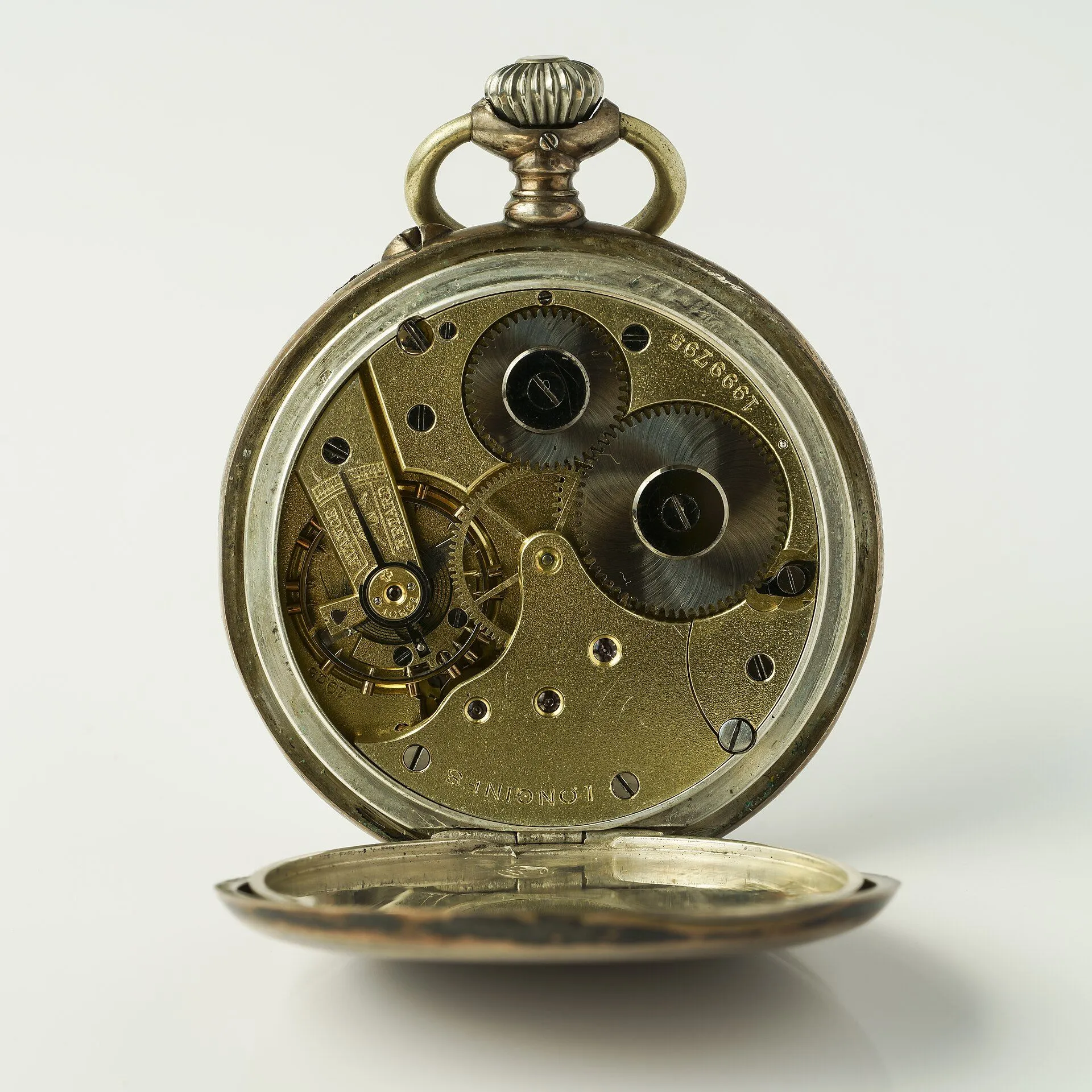
A mechanical watch has parts that rub together and oils that dry out over the years. It does not need much, but it does need that.
The service
Makers recommend a full service every five to ten years, depending on the brand and how the watch is used. The watchmaker takes the movement apart, cleans it, replaces the oils and seals, and regulates it. If the watch gains or loses much more than before, or the reserve gets short, it is due.
The movement affects the cost. A widespread one such as the NH35A or the Seiko 4R is known to every workshop and its parts are cheap. Some Swiss movements, such as the Powermatic 80, use parts only the brand’s service centre has.
Water
- Check your watch’s water resistance before getting it wet: 30 m means rain and splashes only; 100 m, pool and sea.
- Make sure the crown is pushed in and, if it screws down, fully screwed.
- Do not touch the crown or pushers under water.
- After a swim in the sea, rinse the watch in fresh water.
- Seals age: if you swim with it often, have the water resistance checked every year or two.
Magnetism and knocks
Magnets in speakers, tablets, cases and bag clasps can magnetise the hairspring and make the watch gain a lot. Keep it a few centimetres away from them. Sharp knocks and impact sports such as padel or golf can damage the balance staff, so take it off to play.
Bracelet and strap
Clean a steel bracelet with a soft toothbrush, warm water and a drop of soap, then dry it well. A leather strap should not get wet: water and sweat wear it out faster. If you sweat a lot or swim, swap it for rubber, silicone or fabric.