Calibrario is a participant in the Amazon EU Associates ProgrammeHow it works
Water resistance: what the metres mean
The metres are not a depth for use: they are a laboratory pressure. This is what you can do with each figure.
When a watch says «100 m», it does not mean you can go down a hundred metres. It is the pressure the case withstood in a laboratory test, static and at a constant temperature. In the water, a moving arm, a jump or a jet of water create higher pressure peaks. That is why the figures read like this:
What you can do with each figure
30 m (3 bar). Splashes and rain. Better to take it off for vigorous hand-washing, and never swim with it.
50 m (5 bar). Rain, washing your hands, the occasional calm dip at the surface.
100 m (10 bar). Swimming, showering and surface water sports. The minimum for a summer watch.
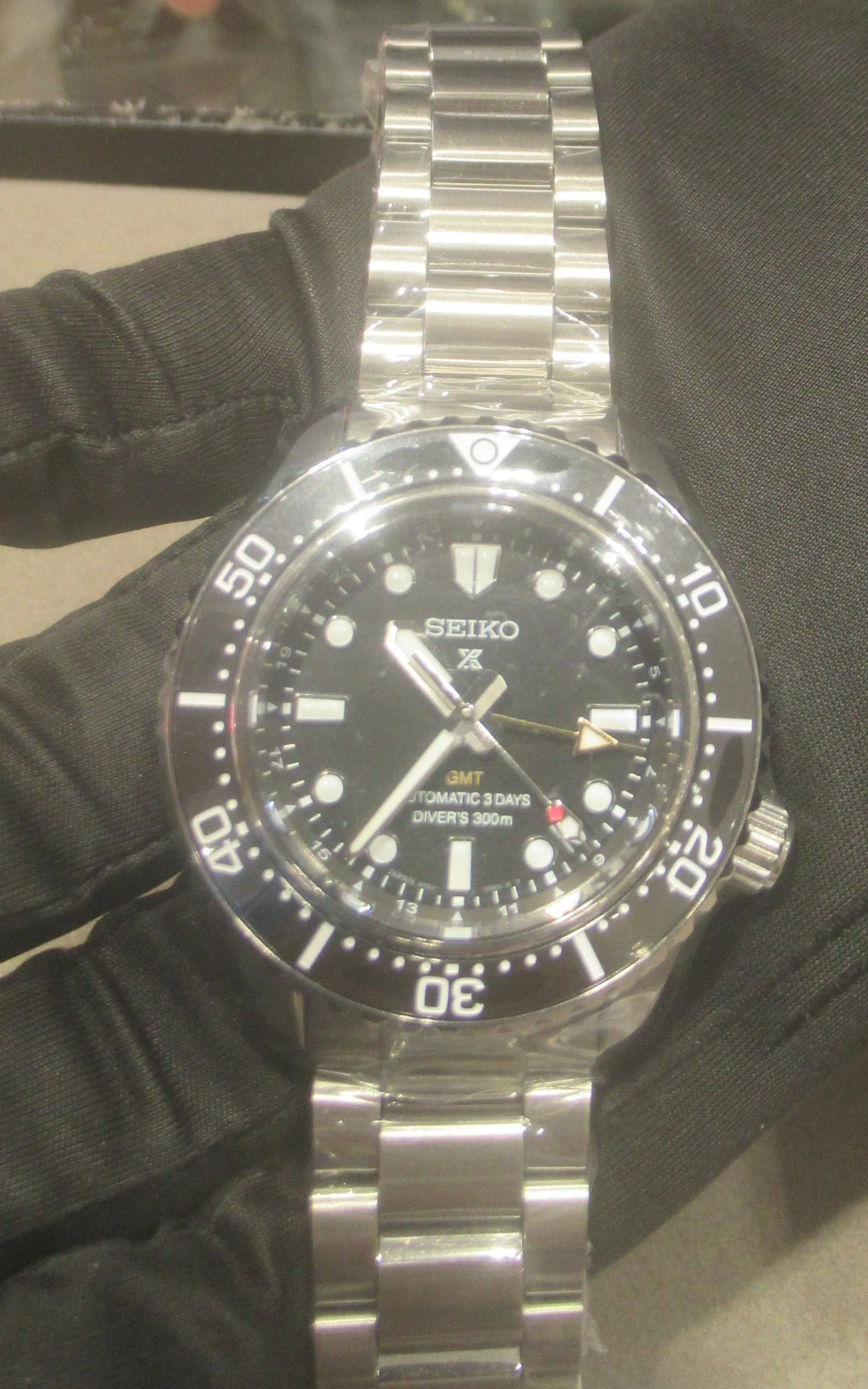
200 m or more (20 bar). Snorkelling or scuba diving. If it meets ISO 6425, the watch is certified for diving.
The crown, the weak point
Water usually gets in through the crown, not the case. Dive watches have a screw-down crown: screw it fully home after setting the time. And never pull out or turn the crown while the watch is wet.
Yes, but avoid very hot water, saunas and sudden changes of temperature: they expand the gaskets and can let moisture in. And do not touch the crown when it is wet.
What is the ISO 6425 standard?
The international standard for dive watches. It requires each watch to be tested with a margin above the stated metres and calls for a unidirectional bezel, good legibility in the dark and shock resistance.
Does water resistance last forever?
No. Gaskets age. It is worth testing the water resistance every few years and whenever the watch is opened, for example during a service.